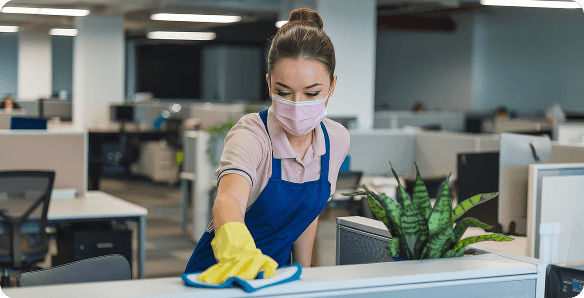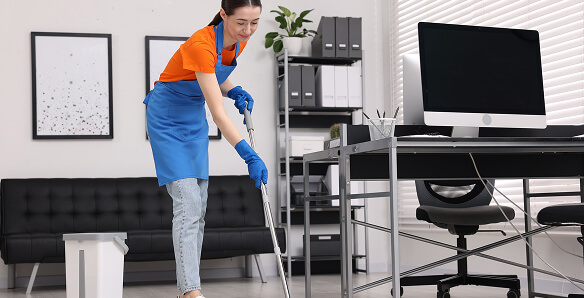
Office hygiene standards continue to evolve, and 2025 brings new technologies and practices that reshape how companies approach cleanliness. From smart sanitization tools to eco-friendly solutions, the modern workplace is demanding higher, more strategic cleaning standards. Here’s a full look at the trends every business should be paying attention to this year.
1. Smart Cleaning Technology Is Becoming the New Standard
The rise of smart offices has expanded into cleaning as well. In 2025, more companies are integrating technology to increase efficiency and consistency:
- Smart sensors that detect high-touch areas and trigger targeted cleaning
- IoT-enabled dispensers that track consumption and restocking needs
- Automated cleaning alerts based on building foot traffic
- AI-powered sanitation schedules for optimized routines
These tools help ensure cleaning is done exactly when it’s needed—creating healthier environments while reducing unnecessary labor.
2. Eco-Friendly Products Are Now a Priority
Sustainability is no longer a “nice to have”—it’s an expectation.
Businesses are actively seeking cleaning partners who prioritize:
- Non-toxic, biodegradable products
- Reduced chemical use withoutcompromising sanitation
- Responsible waste and recycling programs
- Energy-efficient equipment
Eco-friendly cleaning supports employee health and aligns companies with modern environmental standards.
3. Deep Cleaning Is Becoming More Frequent
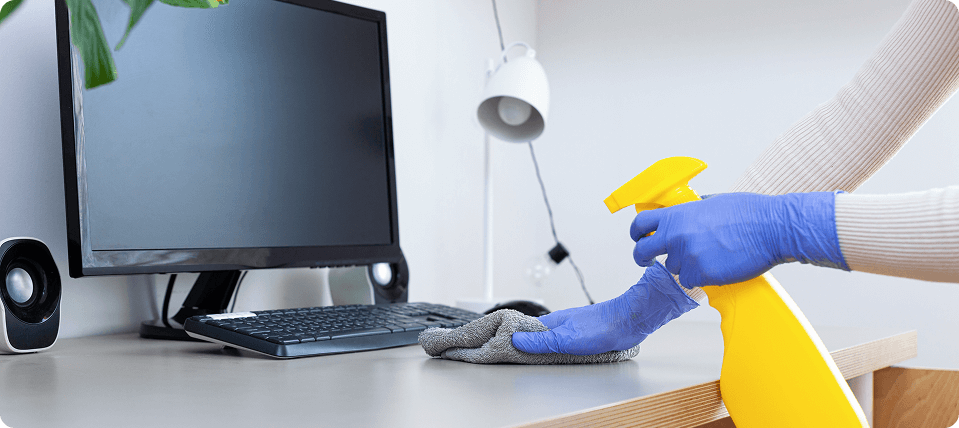
While daily cleaning remains essential, many offices are increasing the frequency of deep sanitation routines due to heightened awareness of germs, allergens, and overall workspace health.
This includes:
- Full disinfection of high-touch surfaces
- Deep carpet and upholstery cleaning
Air quality management - Floor polishing and rebuffing
Intensive restroom sanitation - Employees expect a workspace that feels fresh—not just tidy.
4. Custom Cleaning Plans Are Replacing Generic Packages
2025 marks a shift away from one-size-fits-all services.
Companies now want cleaning plans tailored to their actual operations, taking into account:
- Industry-specific needs
- Office size and layout
- Team size and foot traffic
- Operational hours
- Cleaning priorities (restrooms, breakrooms, conference rooms, etc.)
Personalized cleaning ensures that businesses only pay for what they truly need—and get better results.
5. Employee Wellness and Productivity Are Driving Decisions
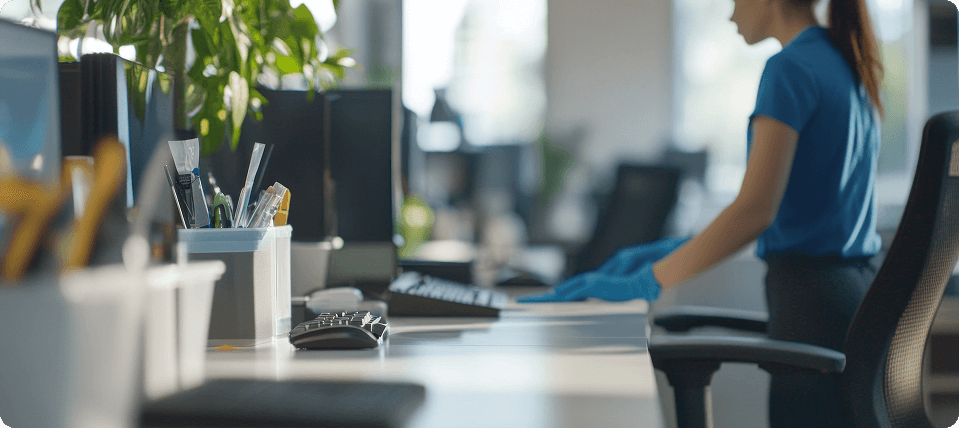
Businesses now understand that a clean workspace isn’t just about appearance.
It directly impacts:
- Focus and concentration
- Motivation
- Sick days
- Overall morale
In 2025, cleanliness is part of workplace wellness. Companies are investing in cleaning services to create spaces where people can perform at their best.
Final Thoughts
The expectations for office cleanliness have never been higher. In 2025, businesses want efficient, sustainable, and personalized cleaning solutions that enhance the well-being and productivity of their teams. Companies that stay aligned with these trends will maintain healthier, more professional work environments—and employees will feel the difference every day.